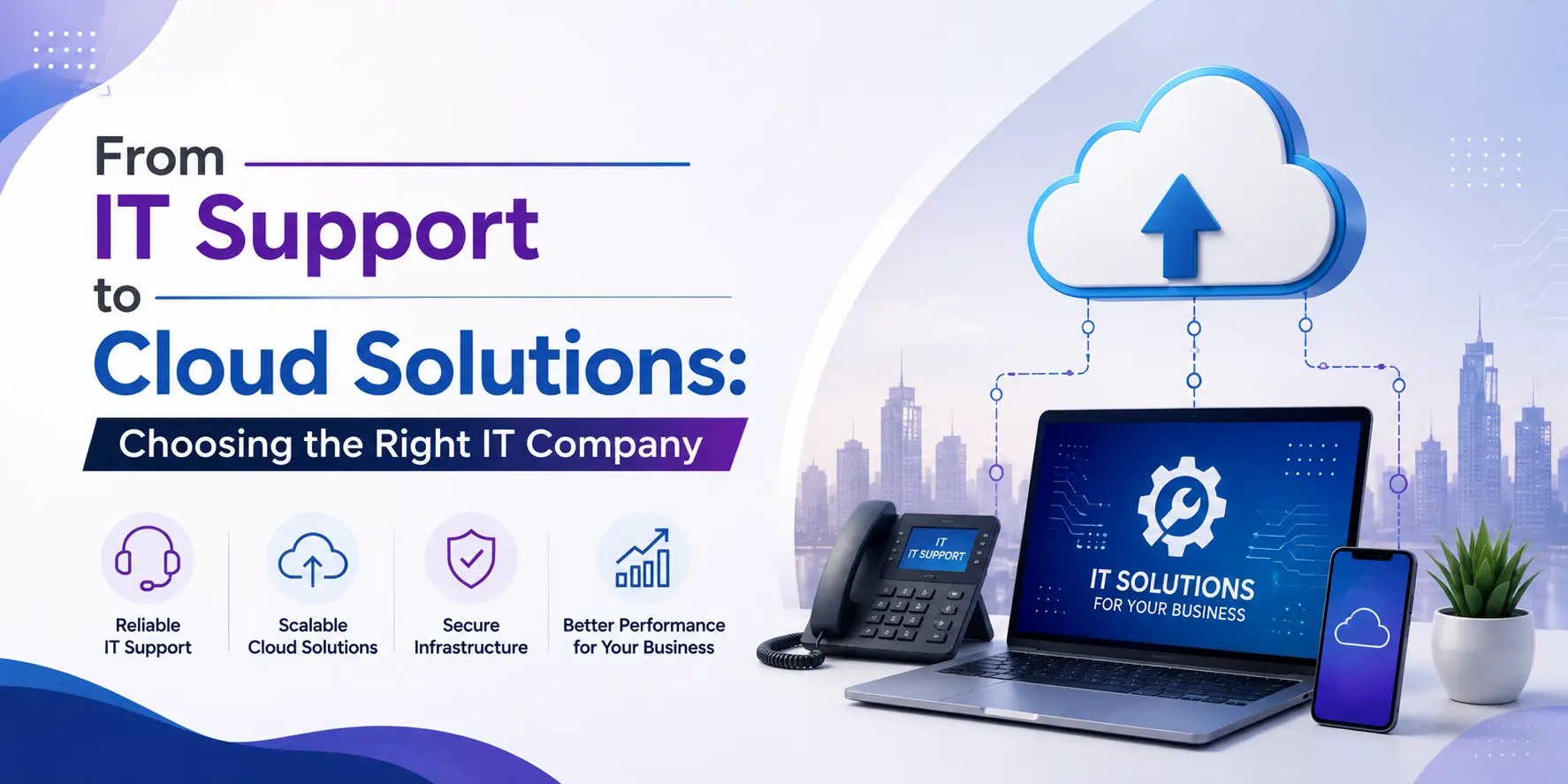
Technology is no longer a luxury; it has become as vital to business functioning as electricity in a house. Whether it is developing and maintaining websites, handling a company’s internal networks or external communications, or just safeguarding data and cloud applications, a business’s everyday operations are underpinned by a trustworthy IT environment. Finding the right IT company for your organization can go a long way towards helping it make use of its technology, avoid unnecessary breakdowns, keep valuable data safe, and even lay the groundwork for future business expansion.
Why Organizations Must Invest in IT Services
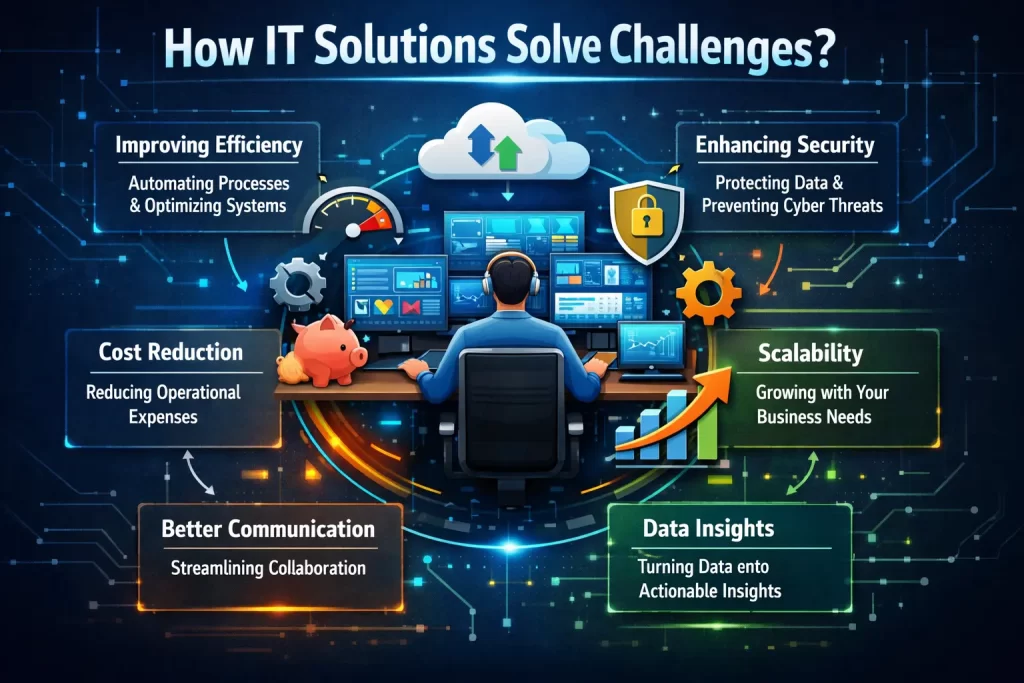
Running an internal IT system might pose difficulties at the expansion stage of a business. The company may get diverted from its primary functions while trying to deal with issues like malfunctioning hardware, software bugs, interruptions in the network, exposure to cyber threats, and handling of data.
To tackle all these issues, an expert IT service supplier is an indispensable partner because their team comes with extensive knowledge and is available regularly for a company’s needs. Rather than merely reacting to incidents, IT management can be made part of risk mitigation strategies so that potential problems are discovered and resolved before they lead to any adverse event while the IT system remains stable and robust.
Essential IT Support Services
Among other things, IT support, also known as computer services, is among the main services a business might come across. These are generally the troubleshooting activities related to computer hardware and software, network troubleshooting, computer systems maintenance, assisting end users, and solving technical issues.
Besides that, having stable IT support enables the staff to focus on their roles without interruptions by the technical issues. In time issue resolution reduces the time lost, and business continuity will be ensured for vital processes.
Cloud Solutions for Modern Businesses
The advent of cloud technology has revolutionized the way the company stores, accesses, and maintains information. With the cloud, workers can get a hold of business apps and data from different working spaces, subject to the system settings and access rights.
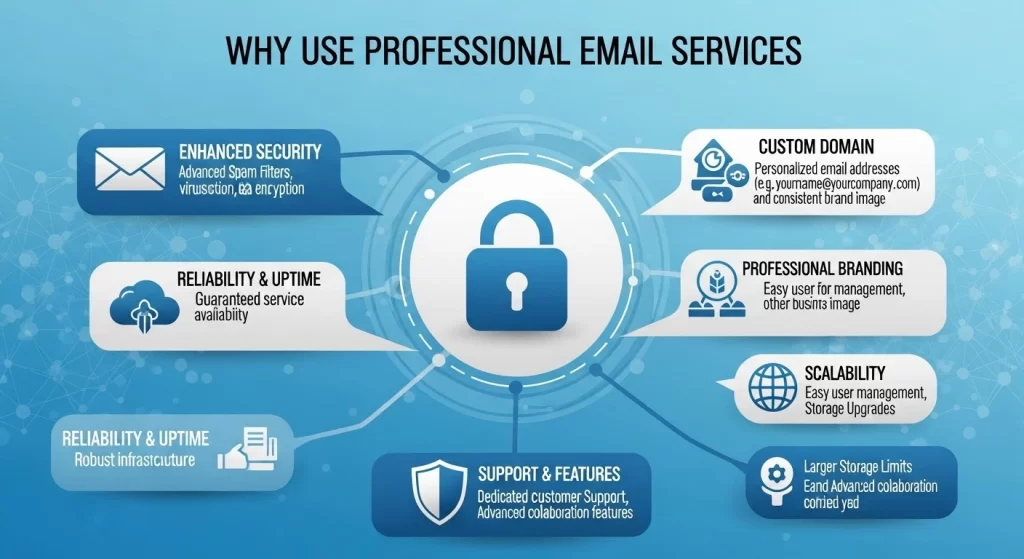
File storage, collaboration tools, email communication, running business applications, and keeping data safe (backups) through the Internet or cloud are some cloud services that a company can use as their operational tools. Reliable IT support can help identify a company’s needs and recommend a cloud strategy that is safe, flexible, and budget-friendly.
Cybersecurity and Data Protection
The digital dependence of businesses has made cybersecurity a vital factor. Some of the main risk factors are weak passwords, lack of updates in software, phishing attacks, and also the case of unauthorized access. All these can bring a major problem for businesses.
To be able to set up and carry out security procedures such as access controls, software updates backups endpoint protection, and security monitoring, businesses need to have the cooperation of professional IT vendors. Backups done regularly, as a matter of course, are beneficial in that they enable a company to retrieve essential documents after a cyber crisis or incident.
How to Choose the Right IT Company
Before selecting an IT service company, businesses must be conscious of multiple aspects. First of all, determine your company’s exact needs and which set of services you require.
Find out the technical competence of the provider, the variety of his services, the speed of response, support time, security procedures, and the experience he has with similar business models. Of course, cost plays a role too, but a good bargain is the combination of several factors—don’t just pick a provider because his prices are low.
In addition, a great IT partner should be able to grow and change its services together with the business. This proves to be very beneficial when introducing new software, hiring a bigger team, or moving to the cloud, for example, as well as when more advanced cybersecurity is necessary.
Frequently Asked Questions
1. What services does an IT company provide?
IT companies may provide, for example, tech support, network management, cloud services cybersecurity data backup, software support, infrastructure management, and more technology-related services.
2. How much do IT services cost for a business?
Expensive? A key thing is the number of personnel who will be using these services, the kinds of services that company will need hardware for, the types of help desk support that company will require, the level of protection from hackers, and whether these services will be outsourced or in/out managed.
3. Are managed IT services suitable for small businesses?
Potential managed IT services, even for a small-scale business, should not make one a target; instead, they provide expert support to small companies without setting up a huge in-house IT team.
4. Why should businesses move to cloud solutions?
Movement to cloud solutions can allow for a flexible and seamless work and access mode, support of collaboration between team members or different departments, scalability of the system when the business grows, etc., and will result in less physical equipment dependency.
5. What should I check before hiring an IT service provider?
Your IT provider should be technically strong, be able to service your requirements, offer high-quality network security, be available to support during business hours, respond quickly to incidents, scale to your changing business needs, have a portfolio of success, and be competitive for pricing when you evaluate them.
Conclusion
The right IT company can change the role of the company from a technical support team to a true long-term technology partner. The spectrum of a company’s needs ranges from handling everyday IT functions, like network security, to a much more complicated level of cloud services and infrastructure support—all these can be a field for professional services to make your company run better, smoother, and less insecure. After analyzing factors like expertise in the field, level of trust in the company, capability to adapt to new needs (scalability), customer service, and overall price-to-value ratio, you can select the IT partner best suited for your needs today and also for the future when you grow.